
Blog
Summer Safety for Older Adults: How Does Heat Impact Senior Health?
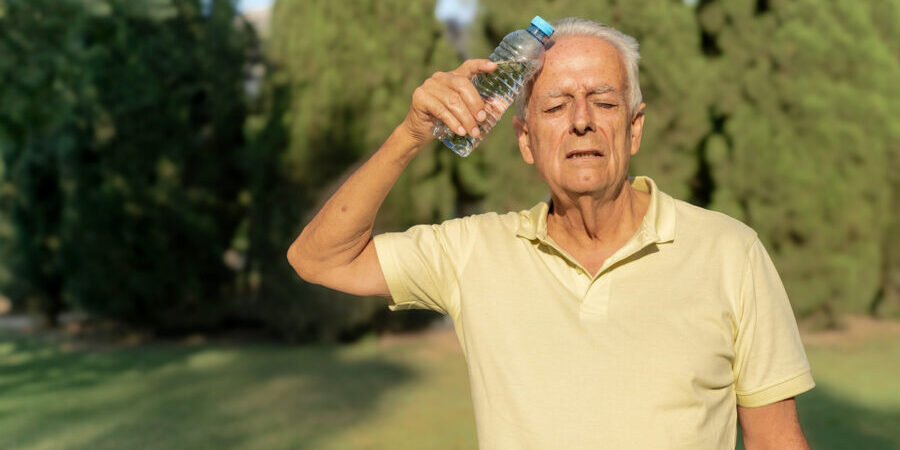
Quick Summary: Heat-related illness is disproportionately dangerous for older adults, and Texas summers give families very little margin for error. This post explains why aging bodies struggle to regulate temperature, which common medications increase heat sensitivity, what warning signs to watch for, and practical steps families can take to protect a parent or loved one during the hottest months of the year.
In Texas, the transition from spring to summer is anything but gradual. By June, heat index temperatures in the Dallas-Plano area are regularly pushing 100°F, and for older adults, that’s not just uncomfortable. It can be genuinely life-threatening.
Heat-related illness sends tens of thousands of older Americans to emergency rooms every year. People over 65 are the most at risk, , and without the right protective conditions in place, the risk can escalate quickly. . What makes this particularly difficult is that many older adults don’t realize how much their bodies’ability to handle heat has changed, and neither do their families.
This post from The Legacy Senior Communities walks through why heat affects aging bodies differently, what signs to watch for, which risk factors to be aware of, and how families can take practical steps to protect their loved ones through the summer months. Time to learn more about summer safety for older adults.
Why Do Older Adults Struggle With Heat?
When the body overheats, its primary defense is sweating. Perspiration releases heat and works in combination with air movement to cool the skin’s surface. But several changes that accompany normal aging significantly compromise this process.
Older adults produce less sweat and do so more slowly, meaning their cooling mechanism is less efficient. They also have reduced blood flow to the skin, which limits the body’s ability to radiate heat. Thirst perception decreases with age, so by the time an older adult feels thirsty, they may already be meaningfully dehydrated. The risk of dehydration in summer increases dramatically, because we lose more fluids and electrolytes when we sweat more. Additionally, the kidneys become less efficient at conserving water as we age, making fluid loss faster than many people realize.
Combined, these changes mean that an older adult standing in the same heat as a younger person is working with a substantially compromised system. Their body temperature rises faster, takes longer to come down, and the window between “warm” and “dangerously overheated” is much narrower.
Medications That Increase Heat Risk
This is a piece of the conversation families often miss. Many common medications—even ones an older parent has taken for years—can significantly increase the risk of heat-related illness by interfering with the body’s ability to regulate temperature or maintain hydration.
Medications to be aware of include:
- Diuretics (often prescribed for blood pressure or heart conditions) increase urinary output and accelerate fluid and electrolyte loss.
- Beta-blockers and calcium channel blockers (used to treat cardiovascular conditions such as high blood pressure, chest pain, and arrhythmias), can reduce the heart’s ability to increase circulation in response to heat.
- Anticholinergics (found in some bladder medications, antihistamines, and antidepressants) reduce sweating directly, removing one of the body’s primary cooling mechanisms.
- ACE inhibitors and ARBs (blood pressure medications) dull the body’s natural thirst sensation and decrease the kidneys’ ability to conserve water, significantly accelerating the risk of dehydration in summer.
- Antipsychotics and some mood stabilizers can impair the hypothalamus’s ability to regulate body temperature.
This doesn’t mean these medications should be avoided—most are essential. But it does mean that older adults taking any of them need to be more deliberate about heat protection, not less. A conversation with their physician before the height of summer is always worthwhile.
What Are the Warning Signs of Heat-Related Illness in Seniors?
Heat-related illness exists on a spectrum, and early intervention makes a significant difference in outcomes. Here’s what to watch for:
- Heat cramps are the mildest indicator of heat related illness—painful muscle spasms, usually in the legs or abdomen, often accompanied by heavy sweating. They signal that the body is losing fluids and electrolytes, meaning older adults should get immediate rest, replenish fluids, and move to a cooler environment.
- Heat exhaustion is a more serious stage of heat-related illness. Signs include heavy sweating, cold and clammy skin, a fast but weak pulse, nausea or vomiting, fatigue, dizziness, headache, and fainting. The skin may look pale. This stage requires moving to a cool place, hydrating, and loosening clothing. If symptoms do notimprove within an hour, seek medical attention.
- Heat stroke is a medical emergency. Heat stroke symptoms include a body temperature at or above 103°F, hot and red skin (either dry or damp), a rapid and strong pulse, confusion, slurred speech, loss of consciousness, or seizure. If you notice these symptoms, call 911 immediately. While waiting for help, move themto a cool environment and apply ice packs or cold wet cloths to the neck, armpits, and groin.
It’s worth noting that in older adults, the classic warning signs can sometimes present differently or be mistaken for other conditions. Confusion, for instance, may be attributed to a dementia diagnosis or dismissed as a “bad day,” when in fact it’s a sign of a body in thermal crisis. When in doubt, treat any sudden change in cognition during heat as a medical concern until proven otherwise.
Summer Safety for Older Adults: Tips to Protect Seniors During a Texas Summer
Heat safety for elderly adults isn’t complicated, but it requires planning and careful monitoring , especially during heat advisories and peak-temperature days.
Here are some tips on practicing summer safety for older adults:
- Keep indoor temperatures below 80°F. Air conditioning is not a luxury in Texas summers. If an older adult doesn’t have reliable air conditioning at home, they need a plan: a cooling center, time with family, or another cool environment during the hottest part of the day (typically 11 a.m. to 4 p.m.).
- Hydrate proactively, not reactively. Because thirst sensation is diminished in older adults, waiting to drink until they feel thirsty is unreliable. Encourage regular fluid intake throughout the day—water, diluted juice, decaffeinated beverages, and broth. Avoid alcohol and excess caffeine during heat waves, as both can accelerate dehydration in summer.
- Dress for the temperature. Lightweight, loose-fitting, light-colored clothing allows heat to dissipate. Natural fibers such as cotton and linen breathe better than synthetics.
- Avoid outdoor exertion during peak hours. If walks, gardening, or errands must be done, schedule them for early morning or after sunset. A 7 a.m. walk during aTexas summer is a very different experience than the same walk at 2 p.m.
- Check in more frequently. Family members and neighbors should increase contact during heat events—by phone or in person. Wellness checks are especially important for older adults who live alone and may not recognize or report symptoms.
- Know where the nearest cooling centers are. Dallas County and Collin County both maintain cooling centers during heat emergencies. Having that information on hand before it’s needed makes a real difference.
When the Home Itself Becomes the Risk
One thing families don’t always anticipate is that for an older adult living alone, their home itself can become a heat risk—particularly if air conditioning fails or is turned off due to utility costs. Additionally, some older adults may not feel comfortable asking for help.
At The Legacy Senior Communities, residents live in climate-controlled environments with on-site team members and a community around them every day. That built-in safety net matters during extreme weather events. For families navigating the heat while a parent is living independently at home, it’s a meaningful factor to consider.
If you have concerns about how your family member is managing during summer heat, our team is glad to talk through the options—from in-home care support through The Legacy at Home to exploring what a more supported living environment might look like. Reach out to us to learn more.
Frequently Asked Questions
What are the symptoms of heat stroke in seniors?
Heat stroke in older adults is a medical emergency. Signs include body temperature at or above 103°F, hot and red skin, a rapid pulse, confusion, slurred speech, loss of consciousness, or seizure. If you notice these symptoms, call 911 immediately. Unlike heat exhaustion, heat stroke does not resolve on its own and can be fatal without emergency treatment. Confusion is an especially important warning sign in older adults—any sudden change in cognition during hot weather should be taken seriously.
Why is heat more dangerous for elderly people?
Aging decreases the efficiency of several of the body’s heat regulation systems. Older adults sweat less and more slowly, have reduced cutaneous circulation, experience diminished thirst perception, and are more likely to be on medications that further compromise cooling or hydration. Together, these factors mean an older adult’s body temperature rises faster, and the window between uncomfortable and dangerously overheated is much narrower than in younger adults. Due to fluids lost during sweating, the risk of dehydration in summer increases dramatically, so remind seniors to hydrate proactively, not just when they “feel thirsty.”
Which medications increase heat sensitivity in older adults?
Several common medications can increase heat risk, including diuretics, beta-blockers, anticholinergics (found in some antihistamines and bladder medications), ACE inhibitors, ARBs, antipsychotics, and certain mood stabilizers. Older adults taking any of these medications should take extra precautions during summer heat and discuss heat-specific risks with their physician.
How can I keep my elderly parent safe in the Texas summer?
During Texas’ hottest months, summer safety for older adults is critical. To help keep seniors safe during hot weather, make sure indoor temperatures stay below below 80°F, Encourage proactive hydration throughout the day. Avoidoutdoor exertion during the warmest times of the day—typically between 11 a.m. and 4 p.m. Additionally, be sure to increase regular check-ins during heat advisories. By knowing the signs of heat exhaustion and heat stroke symptoms seniors may experience, you’ll be prepared to act quickly if needed.