Blog
Intergenerational Connection: Why It Matters in Jewish Culture
Intergenerational Connection: Why It Matters in Jewish Culture
Quick Summary: Jewish tradition has long celebrated the passing of wisdom, stories, and values from one generation to the next. Research suggests many of the benefits of intergenerational programs, including stronger social connection and a greater sense of purpose for older adults. These relationships also help younger people build empathy and see aging through a more positive, personal lens.
It may begin with an old photograph.
A grandchild asks who is standing beside you. One story leads to another, and soon you are talking about a family member they never met, a neighborhood that has completely changed, or a holiday tradition that has continued for decades.
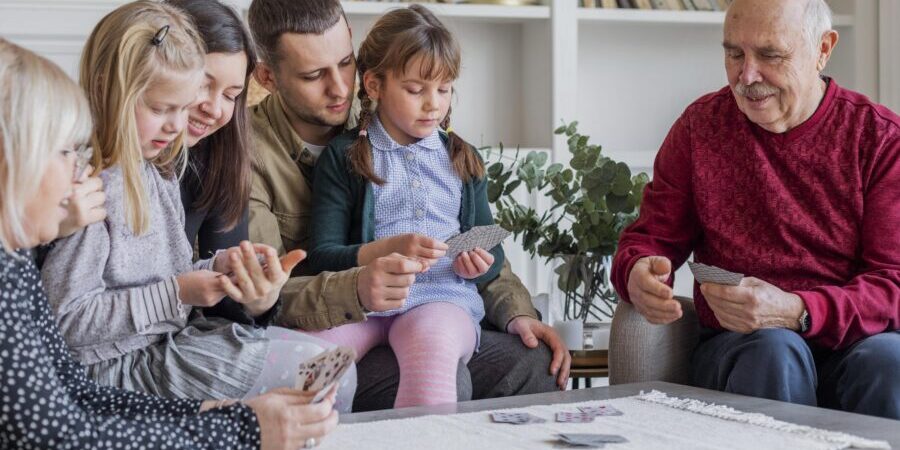
Intergenerational connection often grows through ordinary moments like these. It can happen while preparing a familiar recipe, learning how to use a new phone, playing cards, visiting grandchildren for holidays, volunteering, or simply sitting together long enough to have a real conversation.
In Jewish culture, this connection reflects the idea of l’dor v’dor, or “from generation to generation.” Jewish tradition encourages us to honor older adults and carry stories, values, and wisdom forward. But the exchange does not move in only one direction. Every generation brings something meaningful to the relationship.
What Does Intergenerational Connection Mean in Jewish Culture
Memory holds an important place in Jewish tradition. We remember through stories, prayers, music, food, holidays, and family traditions. When generations spend time together, those traditions become lived experiences rather than lessons found only in books.
An older adult might share how their family celebrated Shabbat, explain the history behind a cherished object, teach a recipe, or talk about the events that shaped their life. A younger person may bring curiosity, companionship, fresh ideas, and a new way of looking at a familiar tradition.
These relationships also remind us that older adults do not simply need care from younger generations. They have knowledge, humor, experience, and perspective to offer in return.
At The Legacy Senior Communities, our Jewish heritage guides the way we honor family, tradition, dignity, and community. Through thoughtfully planned intergenerational activities, seniors in our communities can build strong relationships, share their experiences, and feel a stronger sense of belonging.
We also warmly welcome people of every faith and background. The desire to learn from one another and make every generation feel valued is not limited to one religion or culture. It is something we can all share.
What Are the Benefits of Intergenerational Programs
The benefits of intergenerational programs go far beyond bringing two age groups together for an afternoon. When older and younger people meet regularly, share activities, and take the time to know one another, these connections can enrich both generations.
1. They create genuine social connection
A person can have people around them and still feel lonely. Often, what matters most is feeling heard, remembered, and included.
Intergenerational activities for seniors can create opportunities for those deeper relationships to grow. A younger visitor who remembers a story from the previous week or asks about a favorite project can gradually turn a scheduled activity into a real friendship.
Research has found promising social and well-being benefits from intergenerational engagement, although results vary depending on how programs are designed and how often participants meet.
2. They offer a renewed sense of purpose
Retirement may change someone’s daily responsibilities, but it does not reduce the value of their experience.
When older adults mentor students, teach a skill, share professional knowledge, or preserve family stories, they remain active contributors to their families and communities. Instead of always receiving support, they also get opportunities to guide, encourage, and give back.
Purpose and aging research links a stronger sense of purpose with greater well-being, healthier behaviors, and several positive health outcomes. Although these studies show association rather than cause and effect, they reinforce a familiar truth: people benefit from knowing that their presence and experience still matter.
3. They encourage curiosity and mental engagement
Sharing a story, answering questions, teaching a card game, creating art, or learning a new piece of technology can involve memory, communication, attention, and problem-solving.
Through intergenerational activities, seniors can stay curious, explore new interests, and share the knowledge and skills they have gained over a lifetime.
4. Younger generations benefit, too
A child or teenager may arrive believing they have little in common with an older adult. Then they discover a shared sense of humor, similar taste in music, or the same worries about friendship, family, and belonging.
Intergenerational programs may help younger participants build confidence, communication skills, empathy, and a more positive understanding of aging. They can also make history feel more personal by connecting young people with someone who experienced it firsthand.
That two-way exchange is what makes these relationships so valuable. Older adults share wisdom and perspective, while younger people bring curiosity, energy, and fresh ways of seeing the world.
Intergenerational Activities Seniors and Families Can Enjoy
You do not need an elaborate program to bring generations closer. The best intergenerational activities for seniors and younger family members often leave room for conversation to develop naturally.
You might:
- Look through photographs together. Instead of naming everyone quickly, pause and share the story behind each picture.
- Prepare a family recipe. Talk about who first made it, when your family served it, and how it has changed over time.
- Create a family history project. Record stories, build a family tree, preserve letters, or collect recipes in one place.
- Trade skills. One generation might teach gardening, knitting, music, or a card game while the other explains a phone feature or helps create a digital photo album.
- Celebrate traditions together. Shabbat dinners, holidays, birthdays, and cultural celebrations give younger relatives a chance to participate rather than simply hear about them.
- Volunteer together. Choose a local cause, collect needed items, make something by hand, or support a community event.
- Start a simple routine. A weekly phone call, walk, game, or shared television program can become more meaningful than an occasional formal visit.
The activity itself matters less than the attention you give one another. You do not need to fill every quiet moment. Sometimes connection begins after everyone has settled in and stopped trying so hard to make the visit “special.”
Intergenerational Connection Beyond the Family
Not everyone has grandchildren nearby, and intergenerational relationships do not have to come from relatives.
Older adults can connect with younger generations through mentoring, schools, synagogues, churches, universities, arts organizations, civic groups, and volunteer programs. These settings create opportunities to share professional knowledge, read with a child, make music, work on a community project, or simply enjoy regular conversation.
At The Legacy Senior Communities, we welcome volunteers of all ages at our Dallas and Plano campuses. Volunteers may spend time with residents through visits, music, games, arts, knitting, storytelling, outings, and memory-support programming.
Our Knit & Crochet Club also turns creativity into service, donating more than 4,500 handmade items to over 15 nonprofit groups serving the Dallas and Plano area. It is one example of how older adults can continue giving their time and talents to the wider community.
How We Celebrate Connection at The Legacy
At The Legacy Senior Communities, we believe every generation deserves opportunities to feel heard, useful, and connected.
Our Jewish traditions, including Shabbat dinners, holiday celebrations, worship, study, and cultural programming, help create continuity from one generation to the next. At the same time, we welcome residents, families, and volunteers from all faiths and backgrounds into a community built around dignity, belonging, and mutual respect.
Rabbi Michael Tevya Cohen supports residents of all faiths through worship, study, celebrations, pastoral guidance, and grief support, helping residents and families remain connected to the traditions and values that matter to them.
Strong communities do not keep generations apart. They give us reasons to gather, listen, teach, laugh, and create new memories together.
To experience community life at The Legacy for yourself, contact us to schedule a visit to The Legacy Midtown Park in Dallas or The Legacy Willow Bend in Plano. Also, if you have been searching for “senior volunteer opportunities near me”, feel free to explore our volunteer opportunities and discover how your time and talents can help bring more joy and connection to our residents.